
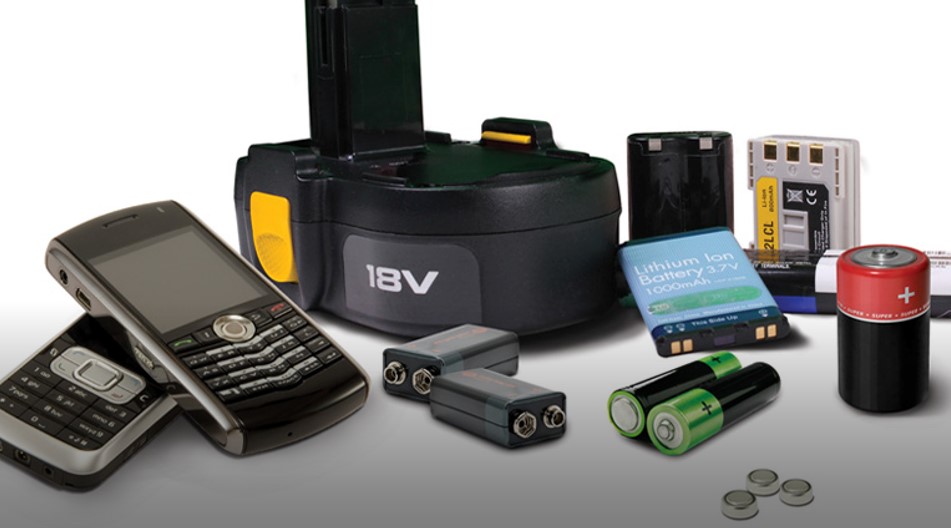
Batteries are common in everyday devices, but improper handling and disposal can pose risks to human health and the environment. This webpage provides important information about the safety and management of household batteries.
Key Points Include:
- Managing Batteries Correctly:
- NEVER dispose of loose batteries – of any type – in curbside recycling or trash!
- Beginning January 1, 2026, Illinois law requires battery manufacturers to fund battery collection, with no cost to the consumer.
- Find a local, FREE, drop-off location HERE!
- Responsible Use:
- Safe practices include purchasing from trusted retailers, using batteries according to manufacturer instructions, and storing them properly.
- Use of damaged or overheated batteries should stop immediately.
- Types of Batteries:
- Primary cells: Single-use, non-rechargeable batteries (e.g., AA, AAA).
- Secondary cells: Rechargeable batteries (e.g., lithium-ion, lead acid, nickel-metal hydride).
- Battery Dangers:
- Batteries, particularly those with lithium or toxic metals can be hazardous. Improper disposal may cause fires or environmental contamination.
The Problem: Management, Awareness, Dangers, Outlets
Batteries power our lives and are found in every electronic device imaginable. They are lightweight, powerful energy supplies. If an item is not plugged in, but lights up, makes a noise, or moves, it likely has a battery!
Most household batteries are loose, portable, or intentionally easy to access in the device they power. Other batteries are securely embedded into devices and not designed to be removed by the consumer. There are benefits and drawbacks to each design and proper management of batteries and the device they power may differ.
Although batteries are incredibly useful and convenient sources of power, they can pose dangerous challenges to the environment. They may also become a fire hazard in collection vehicles and waste processing facilities. Therefore, mindful purchasing, proper use, and responsible home management is vital.
Manage Batteries Correctly
Can I put batteries in my home recycling bin or trash?
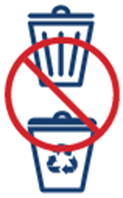
NEVER put batteries OF ANY KIND in your curbside recycling bin or trash!
Beginning January 1, 2026, Illinois law requires battery manufacturers to fund battery collection, with no cost to the consumer.
Find a local, FREE, drop-off location HERE!
What do I do with batteries when I’m done with them?
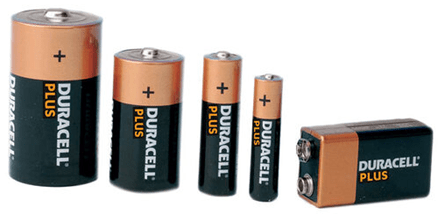
Alkaline Batteries
Find a local, FREE, drop-off location HERE!
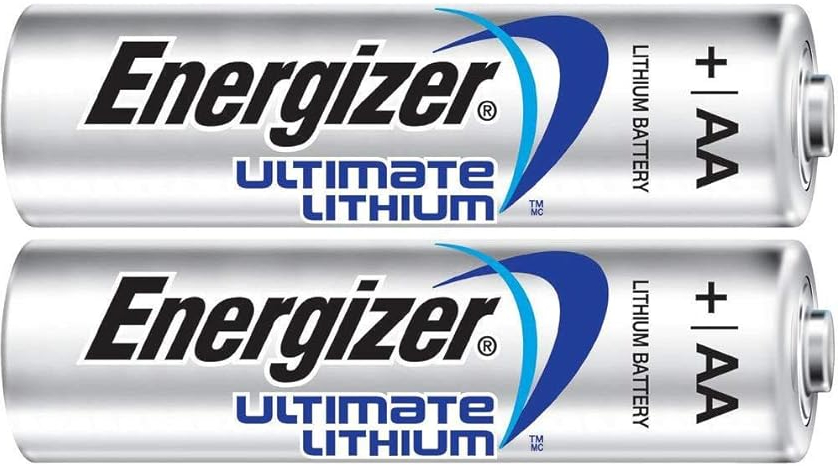
Other Batteries
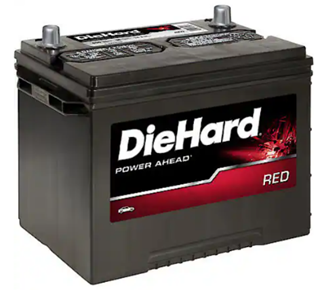
NEVER discard lead acid or nickel cadmium batteries in trash or recycling bins!
Both lead acid and nickel cadmium batteries contain heavy metals (cadmium and lead) that are toxic to the environment. These batteries must also be sent to specialty recycling programs. It is illegal to put automotive lead acid batteries in garbage or recycling bins in Illinois!
Lead-acid car batteries are accepted at some auto part retailers. Call around.
EV battery recycling must go through an auto dealer or manufacturer.
Storage and transporting batteries safety.
Some facilities may take your used batteries from you in bulk and mixed together. These facilities take the responsibility of packaging them safely for shipping to specialized recyclers.
However, some facilities require residents to separate alkaline batteries from rechargeable batteries and will require you to properly protect battery terminals. Protecting terminals is also important for home storage safety as well!
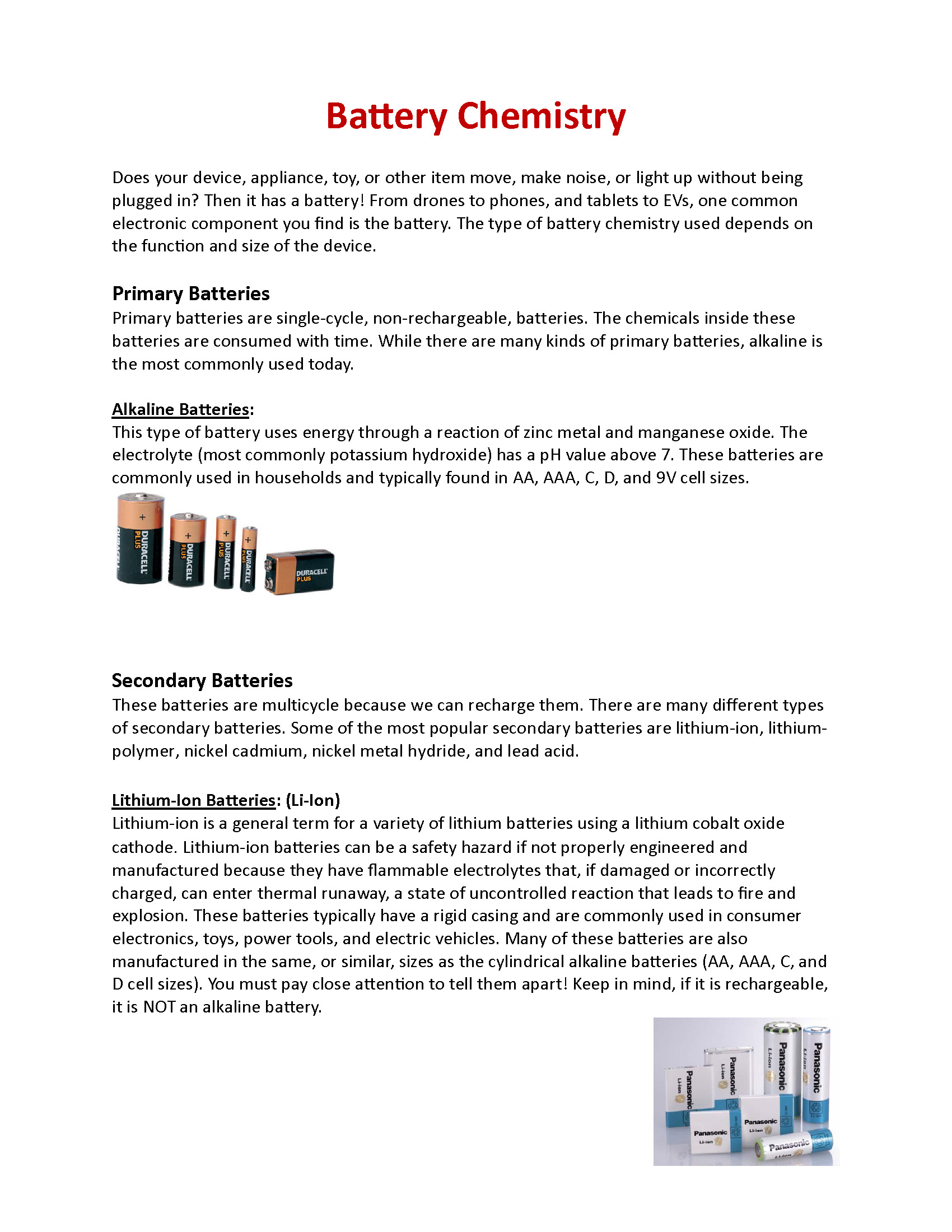
This is done by covering battery terminals with clear packing tape (ideal), duct tape (acceptable), or electrical tape (acceptable), or by placing a single battery in very small, individual, clear plastic bag. Scotch tape, or painters tape may not be used as it will not remain stuck to the battery terminals. If you are ever uncertain of a battery’s chemistry, it’s best to be cautious and protect the terminals. See the images below.

What if my lithium battery is damaged, smoking, stinky, swelling or cracked?
Storing batteries with known damage is not recommended. To reduce the risk of fire, bury the battery in a sturdy container filled with sand, cat litter, or soil and place it on a non-flammable surface away from all heat sources and other flammable material. Then bring it to a proper facility as soon as possible. Mail-in damaged battery recycling kits are also available for sale through online vendors.
Find a local, FREE, drop-off for damaged batteries HERE!
More Information and Background
Type of Batteries:
Primary cell
These batteries are not rechargeable. Often, we recognize them as AA, AAA, C, D, etc. They are considered single use. The most common form of these batteries is alkaline, although some may now be lithium based.
Secondary cell
These are rechargeable batteries. They come in a variety of sizes and powers, though they can also be sized as AA, AAA, C, D, etc., but are often uniquely configured in a pack to fit a specific device. The most common forms of these batteries are nickel metal hydride, lead acid, lithium-ion, and lithium-polymer.
Find a local, FREE, drop-off location HERE!
Battery Dangers:
Today, alkaline batteries are considered benign and of little risk to people or the environment. However, other batteries can pose dangers to the environment and to human health due to toxic ingredients or by posing a fire hazard.
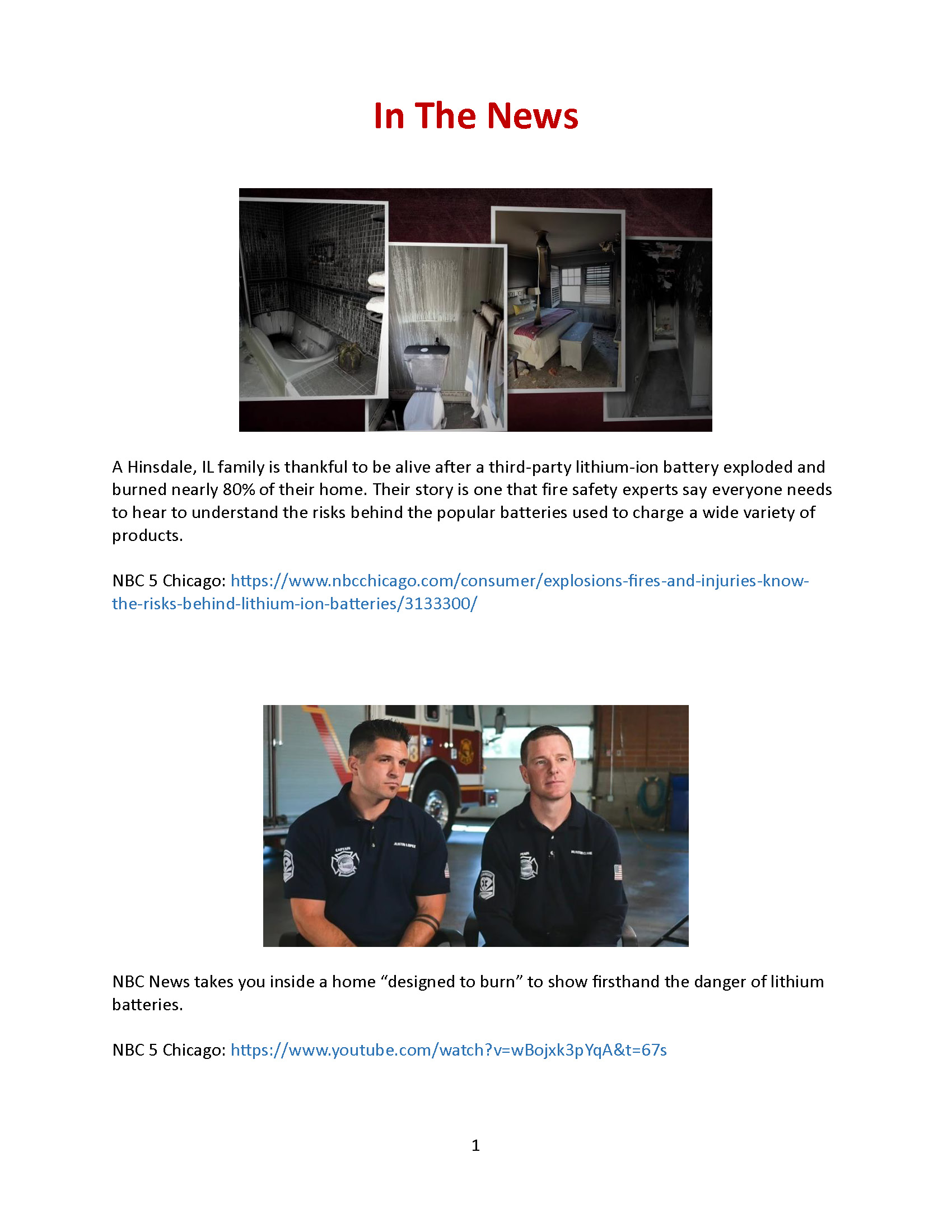
For most battery chemistries, the greatest concern is toxic material being landfilled or contaminating the recycling stream. For all types of lithium chemistry batteries, the concern is fire. Garbage and recycling collection trucks use powerful compactors that crush materials. Garbage is further compacted at landfills, and recycling is ultimately compressed into bales. These processes can easily rupture a battery and cause a fire or explosion. Fires at waste disposal sites, recycling processing facilities, and in waste collection vehicles are dangerous for workers and can drive up the costs for processing waste.
Prevent fires! Find a local, FREE, drop-off location HERE!
Responsible Use:
Battery safety starts with smart purchasing, use, and home management.
- Purchase batteries from a trusted retailer who stands behind their products. Be mindful of online purchases from unknown sellers as many are unregulated and do not meet critical safety standards.
- When purchasing a device with a rechargeable battery, consider products that are supported by a manufacturer warranty. This way, if there is a problem, you have backing from the manufacturer.
- Purchase products that have been tested by a nationally recognized testing laboratory such as those branded with the UL trademark.
- Keep unused batteries in the original manufacturer packaging.
- Before and after use, store batteries in a temperature-controlled environment away from heat sources and out of direct sunlight.
- Always charge batteries on the manufacturer-provided charger.
- Read device instruction manuals/user guides and always charge and operate according to manufacturer instructions.
- Never charge batteries when you are not home to monitor them or when asleep.
- Don’t keep rechargeable batteries plugged in after they are charged.
- Don’t charge batteries near external doors or fire escapes – if a fire starts, your exit would be blocked!
- Regularly inspect batteries and if detected, stop charging and all use immediately if you detect:
- Excessive heat while charging or operating device
- Foul odor or burning smell while charging or operating device
- Crackling or hissing sounds while charging
- Swelling, smoking, or cracking/deformation of the battery or its casing
- When finished with batteries, they can’t go to your trash or recycle. Find a local, FREE, drop-off location HERE!
What if I have additional questions or need further assistance and resources?
The answer you are looking for is likely found in the content of this site. However, if you still need assistance, the following are available contacts:
Illinois Household Hazardous Waste (HHW) Facilities:
Chicago Household Chemicals & Computer Recycling Facility
1150 N North Branch Street
chicago.gov | 312.744.3060
Madison County HHW Collection Facility
249 N Old St. Louis Rd, Wood River
madisoncountyil.gov | 618.296.5237
Naperville Household Hazardous Waste Facility
156 Fort Hill Drive
naperville.il.us | 630.420.6095
Rockford Rock River Reclamation District
3333 Kishwaukee Street
knib.org | 815.387.7400
Solid Waste Agency of Lake County
1311 N. Estes Street, Gurnee
swalco.org | 847.377.4950
Cook County: Solid Waste Agency of Northern Cook County (SWANCC) | 847.724.920
DeKalb County: DeKalb County Health Department | 815.748.2153
DuPage County: DuPage County Environmental Division | 630.407.6700
Kane County: Division of Environmental and Water Resources | 630.208.3841
Lake County: Solid Waste Agency of Lake County (SWALCO) | 847.377.4950
Will County: Will County Green |815.727.8834
The following agencies contributed to information and resources
to make this site possible.






Follow Us!
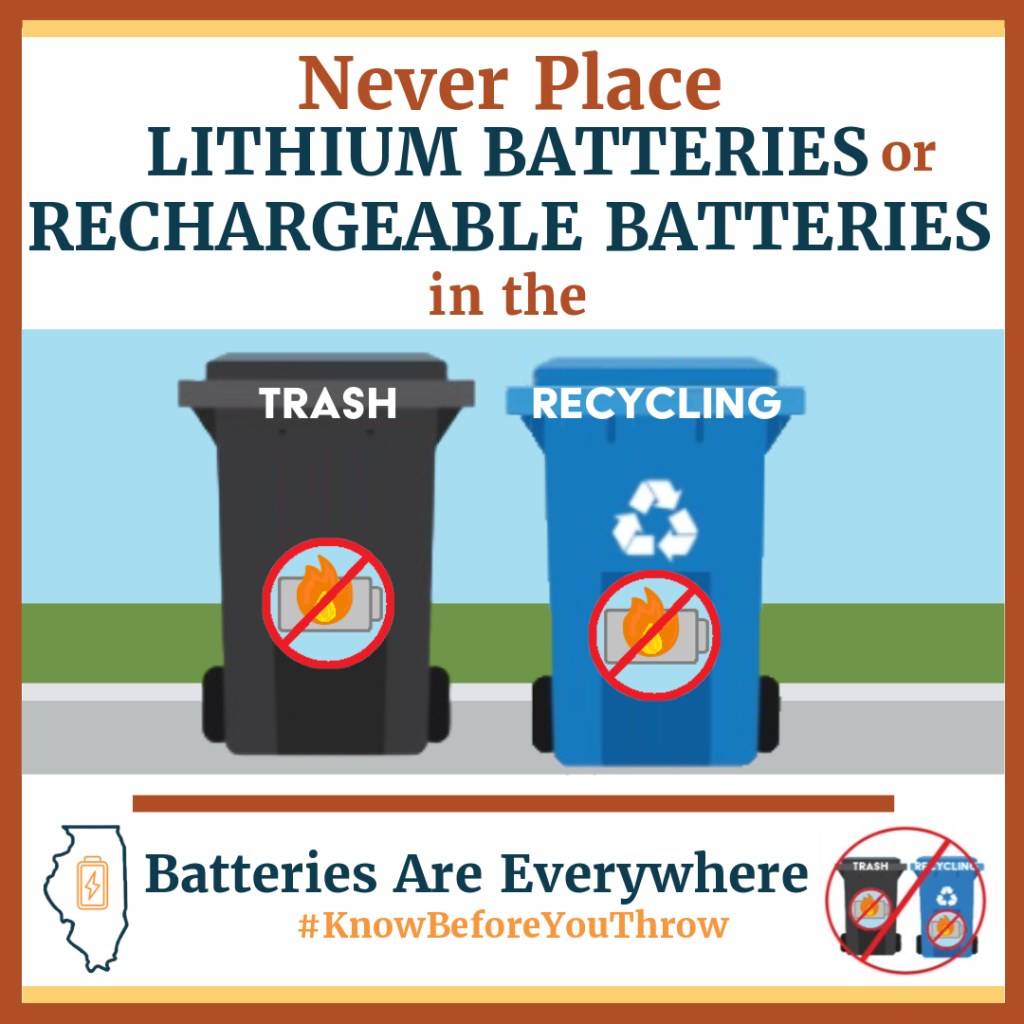
20+ slides and headliner text are available here to use for social media. Use them in the order provided or create your own storyline.
 Illinois PSC